






Stellantis Introduces HELP System to Alert Drivers of Upcoming Hazards and Immobilized Vehicles
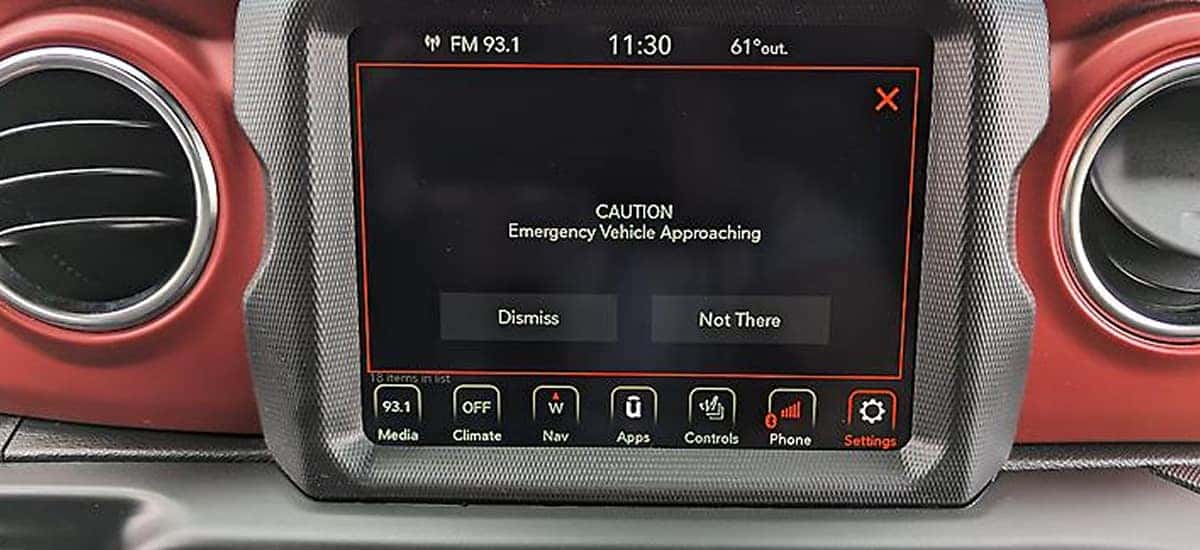
With automobiles becoming more modern and up to date with consumer technology, one concept that will never change is safety. Keeping the driver and passenger safe is a top priority for many automakers, finding new and innovative ways to increase safety and security. One of these ways it to alert the driver to emergency vehicles on the road up-ahead. Many consumers driving know that they should merge lanes or slow down when approaching an emergency vehicle, but sometimes a heads-up is nice. Known as the Emergency Vehicle Alert System (EVAS) feature found in Uconnect connected-vehicles, this feature is now extending to immobilized vehicles that could also cause an incident. Naturally, it’s called the Hazard Enhanced Location Protocol, or “HELP”.
“The widespread deployment of EVAS in North America demonstrates how Stellantis is harnessing the power of V2X connectivity and in-vehicle technology to make mobility safer for our customers…Care for our customers that is second to none in every market where we sell is the foundation of our transformation to a mobility tech company. We’re proud to be the first global automaker to make V2X digital alerting a standard safety feature for our connected customers, and we are continuously looking to expand its capabilities.” – Yves Bonnefont, Stellantis chief software officer
Working to make more vehicles interconnected is a future many automakers are working towards. We already have a lot of interconnectivity with smartphones and smart speakers, but having vehicles talk to each other is a new one slowly growing. Standard in all 2018 model-year and newer vehicles is the EVAS feature, alerting drivers in the United States and Canada with an in-vehicle notification of an active fire truck, ambulance, or other nearby roadway hazards coming up. In addition to emergency vehicles, the vehicle-to-everything (V2X) system uses EVAS alerts that come from the HAAS Alert’s Safety Cloud platform, scanning thousands of public and private roadway fleets in North America to receive and send notifications from tow trucks, disabled vehicles, work zones and arrow boards, highway gates, and other connected assets and equipment that may be on the road.
Now, Stellantis wants to take this a step further and really have vehicles talking to each other using V2X technology and the new HELP system. Here’s the scenario – a disabled vehicle (stopped on the shoulder or roadway) can send a signal to notify approaching vehicles with Uconnect (manually or automatically in emergency situations) about a quarter-mile away that there is an incident up ahead. A situation that is already dangerous to drivers on the road, especially in unsavory weather conditions, such critical safety messages can save lives. Future enhancements of this system could even use LED lighting to flash the hazard warning lights and other exterior lamps brightly and in certain patterns to grab the attention of oncoming drivers.
It seems like this feature is only available if someone has a subscription to Uconnect. It does seem odd that consumers would have to pay for this additional safety feature, but I guess it depends on how much your safety and the safety of your passengers matters to you. Maybe one day, it will be standard, since everything seems to work via a cloud these days. It would be counterintuitive to not make it standard if the goal is to have every vehicle using V2X technology on the road one day.
Want to keep up to date with all the car tech Stellantis is working on, like the STLA Brain, STLA SmartCockpit, and STLA AutoDrive? Follow along with us on Aventura Chrysler Jeep Dodge Ram social media.