






Brake Warning Light Is On? What to Do Before a Bigger Repair
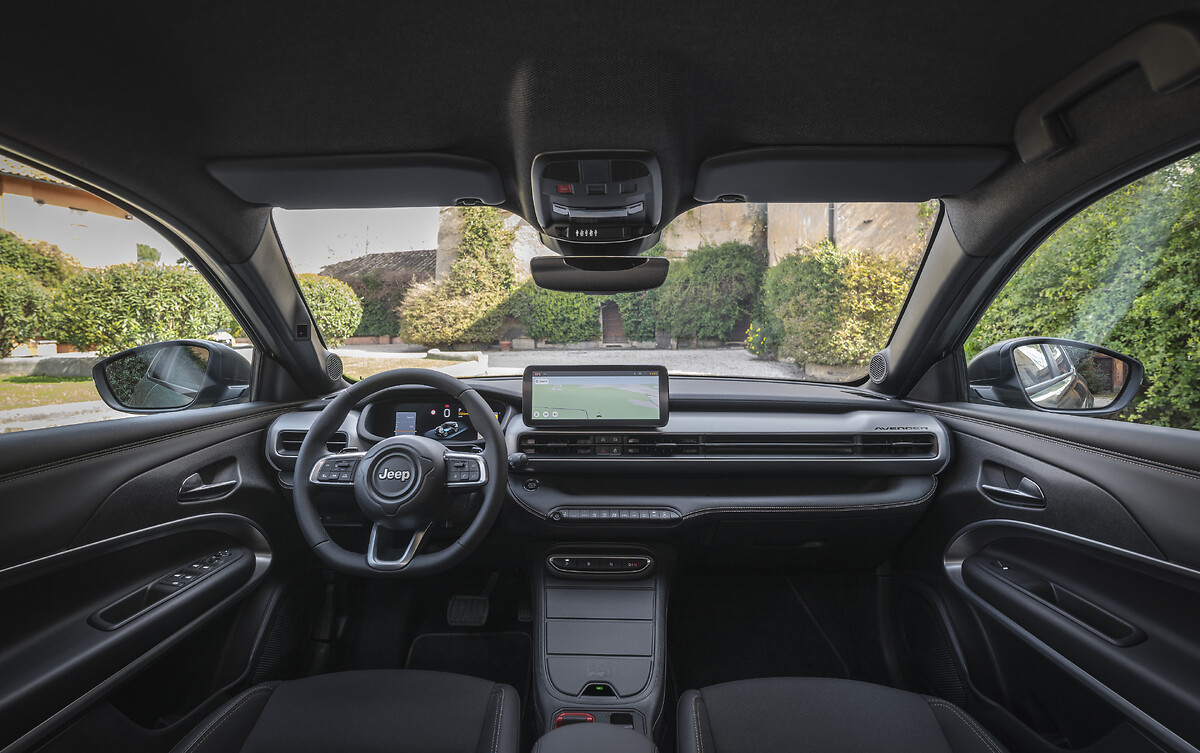
Seeing that your brake warning light is on can be unsettling, especially when you are heading to work, running errands, or preparing for a long drive. While some brake warnings are caused by simple issues, others can point to problems that affect your vehicle’s ability to stop safely.
The key is knowing what your vehicle is trying to tell you. Understanding common brake warning lights, what they mean, and when to schedule service can help you avoid unexpected repairs and keep your vehicle performing safely.
Quick Safety Check: What to Do First
Before worrying about the worst-case scenario, take a moment to check how your vehicle is behaving.
If your brake warning light is red, treat it as a priority. Stop driving and have your vehicle inspected if you notice:
- A soft or spongy brake pedal
- The brake pedal sinking lower than normal
- Pulling to one side when braking
- Grinding or metal-on-metal noises
- Strong vibrations while stopping
- A burning smell near a wheel
- Visible brake fluid leaks
These symptoms can indicate a problem that should be addressed immediately.
If the warning light is amber or yellow, it often means a system needs attention soon. You may still be able to drive carefully, but it is important to schedule an inspection before the issue develops further.
Common Brake Warning Lights and What They Mean
Your dashboard uses warning lights to communicate what is happening with your vehicle’s braking system. While icons can vary by model, these are some of the most common alerts drivers see.
Brake System Warning Light
A red “BRAKE” light or a circle with an exclamation mark usually indicates a problem that requires attention.
Possible causes include:
- The parking brake is still engaged
- Brake fluid is low
- A hydraulic brake system issue is present
If this light stays on while driving, do not ignore it. Your braking system is one of your vehicle’s most important safety features.
ABS Warning Light
The amber ABS light indicates a possible issue with the anti-lock braking system.
In many cases, your regular brakes may still work, but the ABS feature may not function properly until the problem is repaired. This means your vehicle may not provide the same level of control during sudden stops or slippery conditions.
Traction Control or Stability Control Light
A vehicle icon with squiggly lines often relates to traction or stability systems.
If the light flashes briefly, the system may simply be working to maintain traction. However, if it remains illuminated, there may be an issue with a sensor or another component connected to the braking system.
Brake Pad Wear Indicator
Some vehicles can alert drivers when brake pads are nearing the end of their service life.
You may also notice:
- High-pitched squealing
- Reduced braking performance
- Longer stopping distances
Addressing worn brake pads early can help prevent additional wear to rotors and other brake components.
What You Can Check Before Scheduling Service
If your brake warning light is on, there are a few things you can safely check.
First, make sure the parking brake is fully released. A partially engaged parking brake can trigger a warning light.
Next, pay attention to how your vehicle feels. Warning lights matter, but changes in braking performance can provide important clues. A soft pedal, unusual noises, or vibration should never be overlooked.
You can also check your brake fluid level if you know how to do so safely. Low fluid does not always mean you simply need more fluid. It can also be a sign of brake wear or a possible leak that requires inspection.
If you recently had brake work completed, mention it during your service visit. A sensor connection, calibration issue, or system reset may be needed.
When Should You Stop Driving?
Some brake warnings allow you to drive carefully to a service appointment. For example, an ABS light by itself may mean the system needs diagnosis while your regular braking remains available.
However, stop driving and seek help if:
- The red brake warning light stays on
- The brake pedal feels unsafe
- You hear grinding noises
- You notice fluid leaking
- Your vehicle does not brake normally
When it comes to brakes, addressing a small concern early can help prevent a larger repair later.
What Happens During a Brake Inspection?
A professional brake inspection involves more than checking brake pads.
A technician may inspect:
- Brake pad thickness
- Rotor condition
- Calipers, hoses, and brake lines
- Brake fluid level and condition
- ABS and brake system codes
- Warning light operation after repairs
This helps identify the actual cause of the warning instead of only treating the symptom.
Brake Warning Light FAQs
Can I drive if my brake warning light is on?
It depends on the warning and how your vehicle feels. If the light is red or you notice braking problems, stop driving and have it inspected.
Why is my brake light on if my brakes feel normal?
The cause could be something simple, such as a parking brake that was not fully released, but it may also indicate low fluid or a system issue.
Why did my brake warning light come on after replacing brake pads?
A sensor connection, calibration issue, or system reset may be needed after brake service. An inspection can determine the cause.
If your brake warning light is on, getting it checked sooner rather than later can help protect your vehicle, your safety, and your wallet. Schedule a brake inspection to find out what your vehicle needs before a small warning becomes a bigger repair.